2012-03-04

울진·포항·울산 답사


[울진·포항·울산 답사] 2012.02.29~03.01


<첫째날>

7:40 서울 출발

11:15 영주 부석사 도착 - 성보박물관 개관했음(조사당 벽화 전시)


<박물관 안에 가람 모형도> 

일설에는 화엄사의 華자를 따라서 가람배치가 되었다고 하기도 하는데, 

사진에서도 볼 수 있듯 비슷하긴 하다.


점심

13:30 부석사 출발

14:05 영주 신암리 마애삼존석불 : 봉화 국지리 마애불 및 영주 가흥동 마애 삼존불과 비슷


16:00 울진 봉평비 전시관 (3월~10월 10:00~18:00/11월~2월 10:00~17:00)

                                1) 524년 건립되었다고 추정. 520년에는 법흥왕의 율령반포가 있었음
                                2) 원래부터 비가 정사각형이 아니었다고 생각됨


울진군에서 돈 많이 들여서 만든 모양이다.

이 건물 말고 그 뒤에 한반도 모양의 비석공원이 있어서

유명한 금석문들은 죄다 만나볼 수 있다. 물론 복제품이다.


14:50 성류굴

삼국유사 권3 탑상편에 기록된 신라의 보천태자가 수도했다는 울진국 장천굴로 추정된다.


                                1) 입장료 성인 3천원
                                2) 보천태자가 수도했다는 11광장은 현재 출입제한구역


저녁


<둘째날>


8:10 숙소(포항 오도리 하우스) 출발
                  : 바닷가 바로 인접해있으나 방 개수에 비해 화장실 및 욕실이 턱없이 부족


8:40 중성리비 발견 장소 도착(포항시 흥해읍 중성리 167-1번지, 흥해 중앙교회 근처)


사진에 서 있는 학생 바로 앞 부분에서 발견되었다고 하는데, 

중성리비가 실제 건립되었던 장소가 과연 여기인가 하면 그건 또 확실치 않은 문제이다. 

여기서 조선시대 읍성이 멀지 않다. 그 안에 있었을 확률도 있다고도 본다. 


8:55~9:15 포항 영일 민속 박물관 (과거 흥해읍 동헌이었던 제남헌)


제남헌 바로 앞에 흥선대원군이 세운 척화비가 있다.


암각화로 유명한 포항 곤륜산에서 발견된 척화비라 한다.

금석문이 쏟아지는 대단한 곳이다.. '-'


척화비 옆에 해석판이 있는데, 해석이 좀 틀렸다. 바로잡는다.

우리의 만대 자손들에게 경고하노니

서양오랑캐가 침범하는데

싸우지 않는 것은 곧 화친하자는 것이요

화친을 주장하는 것은 나라를 파는 것이다.

병인년에 쓰고, 신미년에 세우다. 


(훈장님과 학동이 공부하고 있는 책은....영어책이었다..-_-)


9:35 냉수리비 (신광면사무소)

             1) 503년 설 유력하나, 501년 지증왕이 여기에서는 갈문왕으로 나타나고 있는 문제
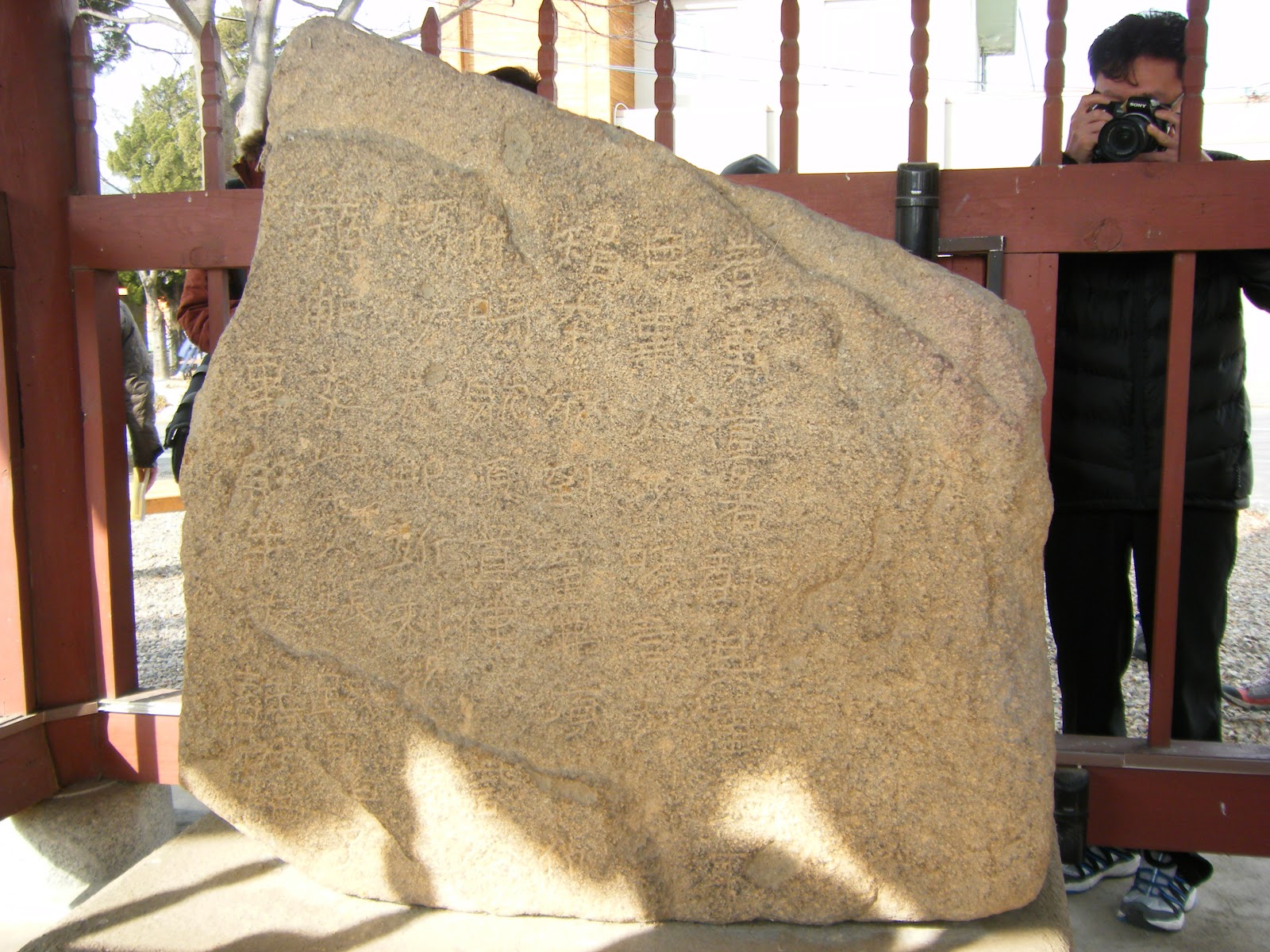


10:05-11:05 남미질부성(추정)


                                        : 지역주민들의 경작활동에 의해 토성 파괴가 이루어지고 있음


12:45-13:20 점심

13:45-14:15 울산 처용암 : 1) 정말 처용과 관련된 유적인지는 고심해봐야 함.
                                      적어도 삼국시대의 울산 지형은 매우 달랐을 것.
                                      지금보다 해수면이 높았다.
                                      2) 근처 반구동 유적 - 경주 동천과 울산 태화강의 합류지점
                                                                      신라의 외항 역할


15:10 천전리 각석-> 반고사지->반구대 암각화
                                    : 데이트 코스 or 등산 코스로 좋음


건너편 산에서 바라본 천전리 각석이다.

점점 앞으로 기울어지고 있다고 하니 다음에는 엎어져서 볼 수 없게 될 수도 있다고 한다.

개인적으로는 기마 행렬도를 눈으로 확인하고 싶었는데,

보호하느라 약간 거리가 떨어져 있어서 그런지 몰라도 육안으로 확인이 불가능했다. 
                                 

17:20 울산 암각화 박물관(입장료 무료, 9:00~18:00)

                                     1) 천전리각석과 반구대 암각화 모조품 전시중
                                     2) 도록은 없고 시집을 팔고 있음(-_-) 그 외 기념품 몇 가지 판매

17:45 서울로 출발

18:15 경주

19:50 칠곡휴게소 출발


2012-01-02

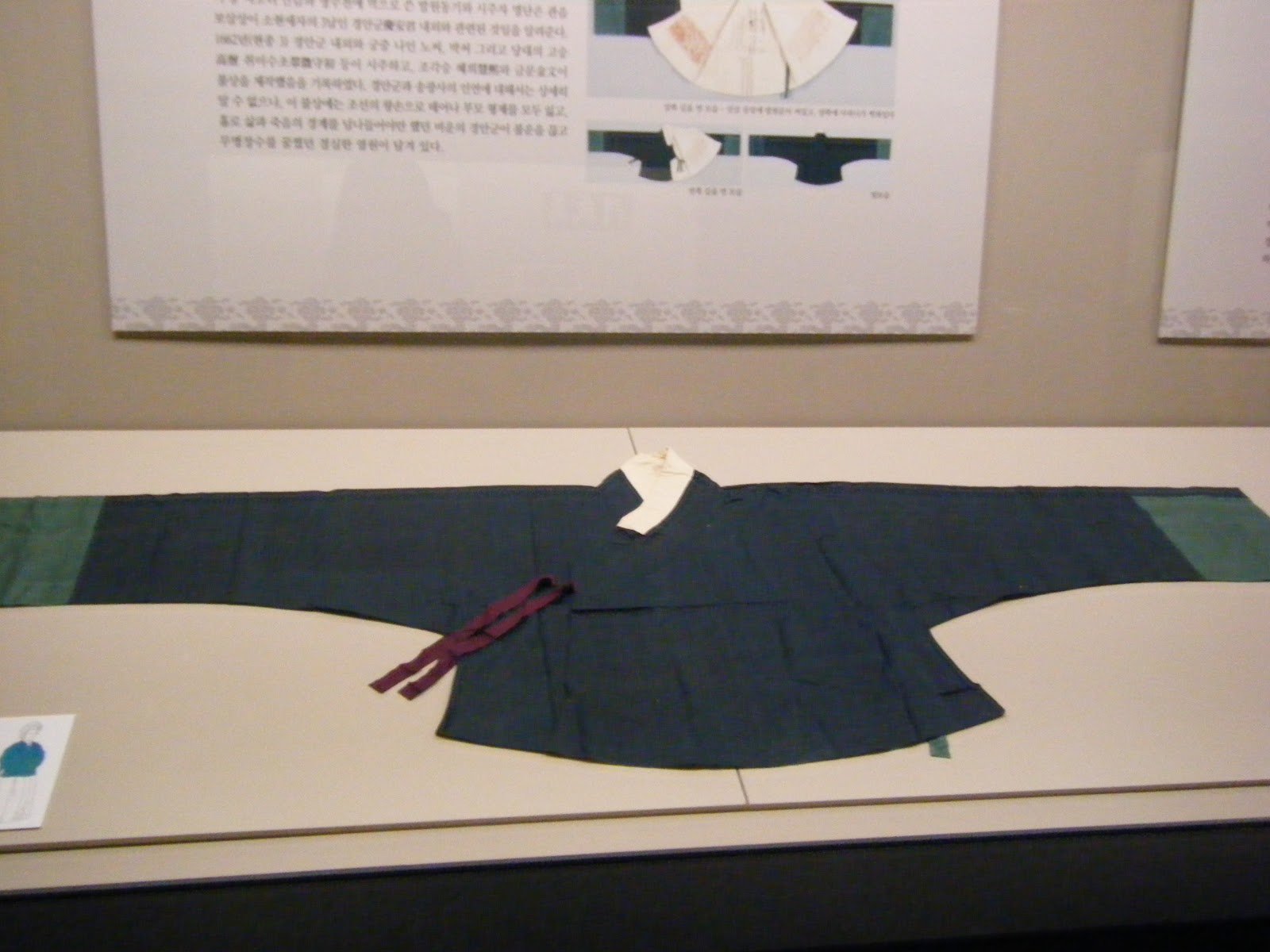
Relics found in Bodhisattva statue of Song-guang Temple


順天 松廣寺 腹藏 遺物

순천 송광사 복장 유물 전시회 (국립 고궁박물관)


Discovery of relics in a wooden Bodhisattva statue of Song-guang Temple in Suncheon 
(National Palace Museum of Korea)


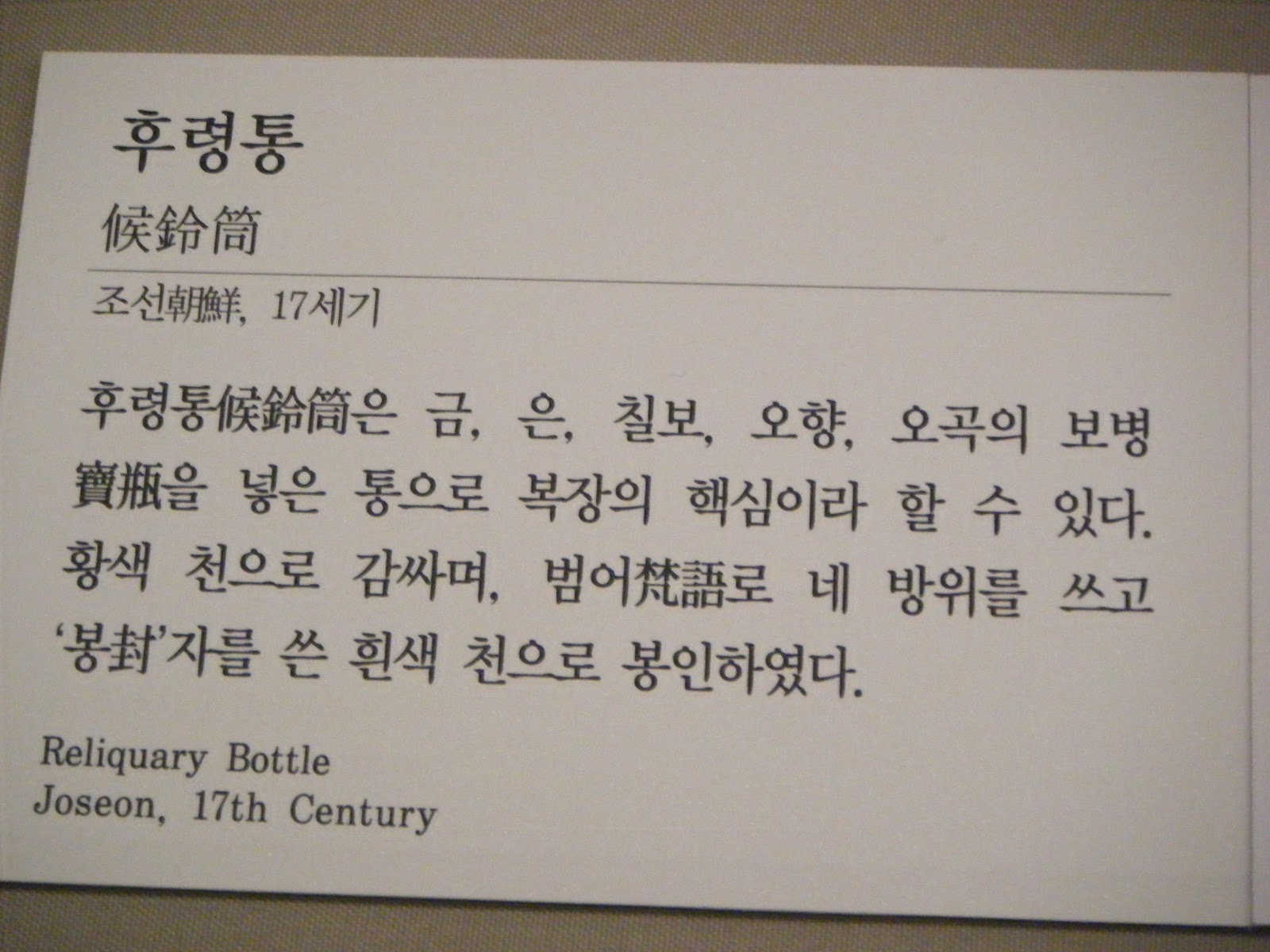
Bok-jang-yu-mul refers to 'relic in the Buddhist statue' in Korean.
Ancestors put valuables into Buddhist statues after making them, praying for their health and happiness.


In 2009, Joseon Dinasty's bok-jang-yu-mul were found in a wooden Bodhisattva statue in Song-guang Temple, Suncheon.

the donor were two court ladies(宮女), Ms.Noh and Ms.Park, who had served Prince Gyeong-an(1644-1665). 

They created this wooden Bodhisattva statue praying for longevity of Prince  Gyeong-an  and his wife in 1662.

However, Prince Gyeong-an died young in 1665.

Prince Kyung-an's father was So-hyeon(소현세자) who had been dragged to China after the invasion by Ching China(淸) in 1636, So-hyeon could be back to Joseon afterwards but died suddenly in 1645.(His death is now believed to be conducted by his father King In-jo, who feared his son's new ideologies)

Along with So-hyeon's death, his wife, Gang-bin(강빈), falsely accused of putting poison into king's food and executed leaving her three sons.

However, survived three sons, including Prince  Gyeong-an, unfortunately, all died in their early ages.


Few months ago, very popular Korean TV drama "Chu-no(追奴)" had dealt with this story,
so this exhibition made my heart more painful to his life.


2011-11-28

Field trip to Seosan(瑞山)


The City of Seosan(서산) can be found in the west of the Korean Peninsula

So it was a major transportation area from China to the Korean Peninsula for a long time

Buddhism is also believed to have been imported to the Korea Peninsula through Seosan area.


Here is one piece of evidence,

서산 마애 삼존불(瑞山磨崖三尊佛) 
Seosan Ma-ae Samjonbul 


When I visited Seosan, it was my first chance to see them. 

They were really beautiful and mysterious..

just like I've heard.


This Buddha Trio is known as the smile of Baekje


The next place I visited was the site of Bowonsa Temple (普願寺)


but it was under excavation. 

The temple is believed to have been built during the Baekje Kingdom 
and flourished during the times of the kingdoms that followed; the Unified Silla Kingdom and the Goryeo Dynasty.


This stone box was a container for water.

It shows how big Bowonsa was.


The third place in which we visited was a little special, it was a storage monument for the prince's royal umbilical cord.

The umbilical cord was dealt with the same way as a body was by Korean ancestors,
the royal umbilical cord was especially important.

That's why this weird monument, named 태실(胎室), was erected on this hill.


This 태실 is for King Meong-jong


There were ranch fields all around


Our fourth destination was Gaesimsa Temple (개심사 開心寺)


To get there,
We walked up a path through forest


Over a single log bridge


A Korean belfry


The fifth place we visited was 해미읍성 (Hae mi Castle)


Many Catholics were hung from this tree during the late Joseon Dynasty.

When Catholicism entered Korea from China , Seosan was also a gateway 

so there were lots of Catholics in Seosan.


The beautiful fairy that you can see in this picture is actually a kite. 

I saw this being put on the ground, it was bigger than me 


For sightseeing information, refer to this webpage

They're running shuttle buses as well.